AI
How I use AI
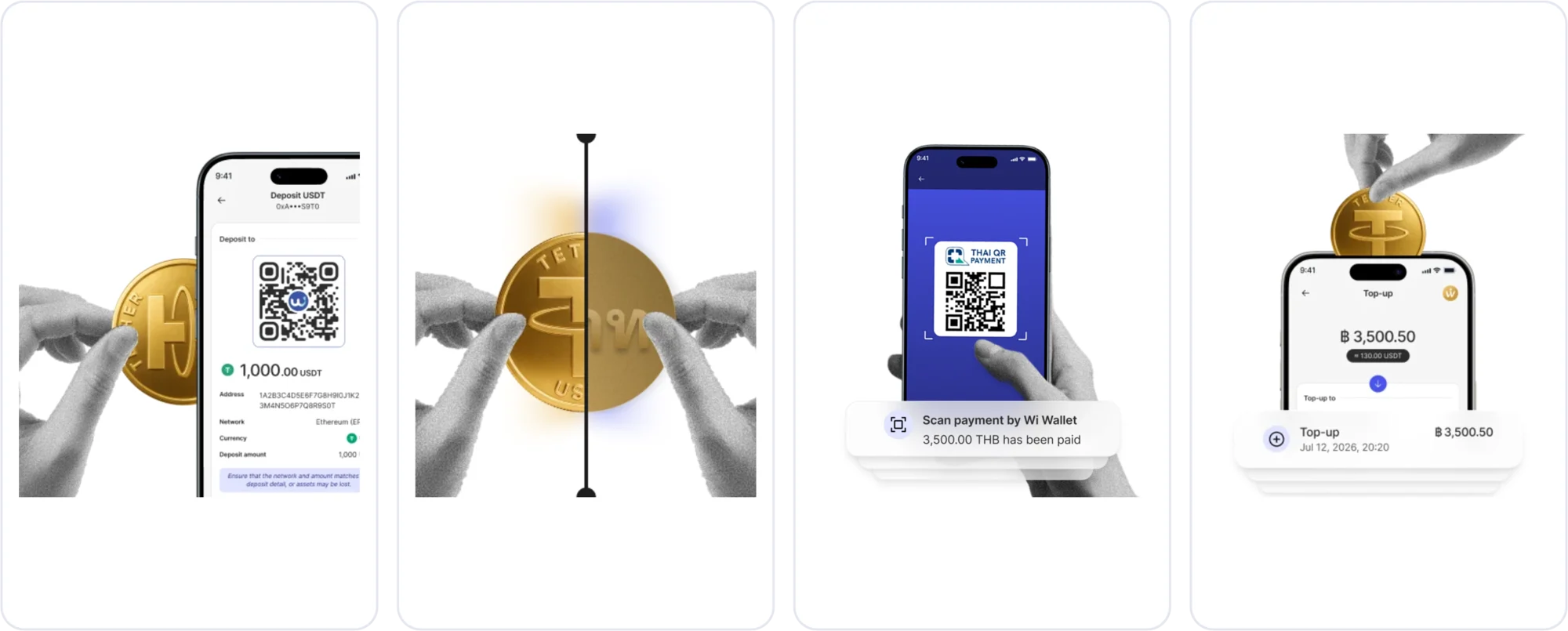
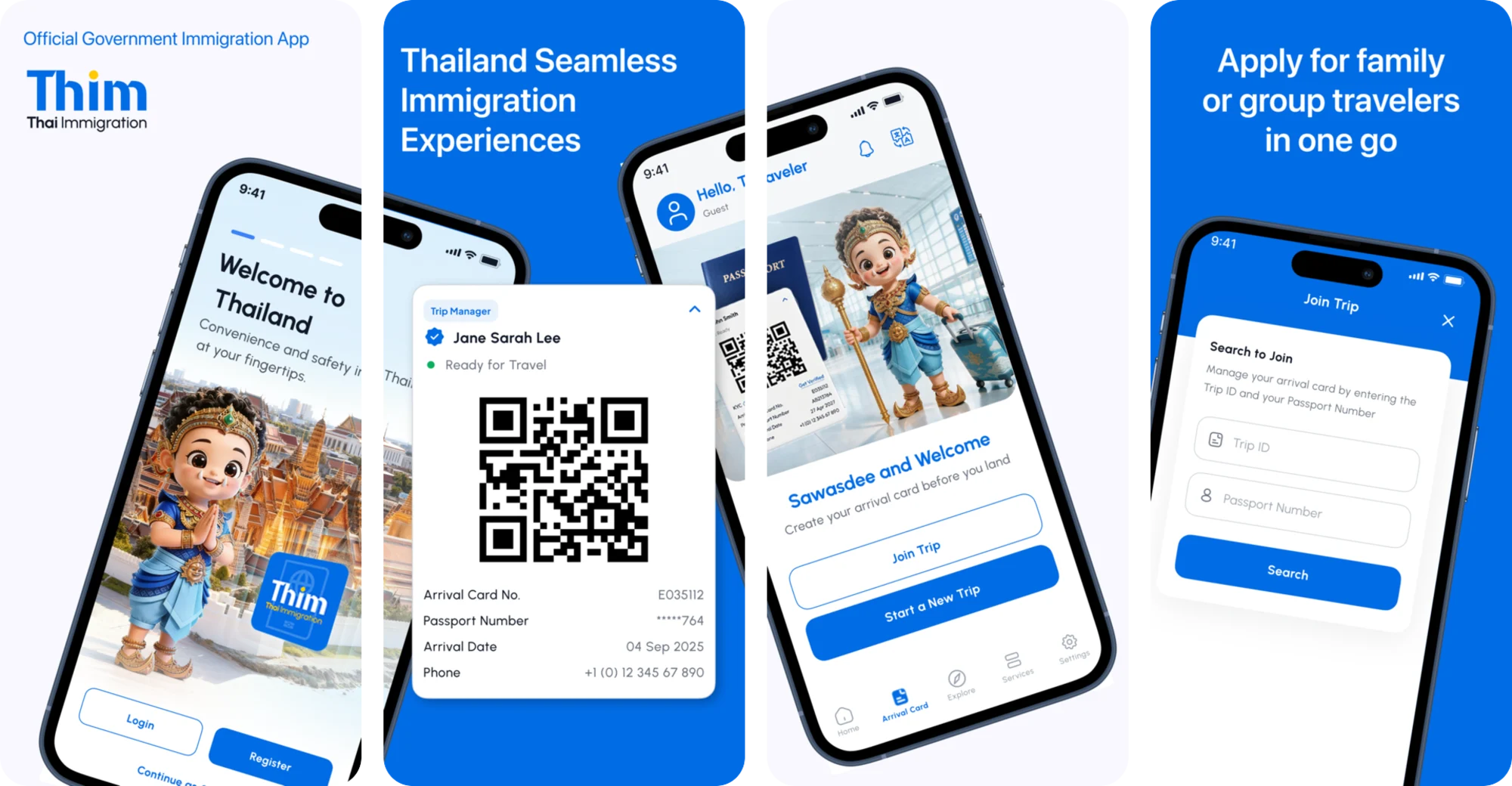
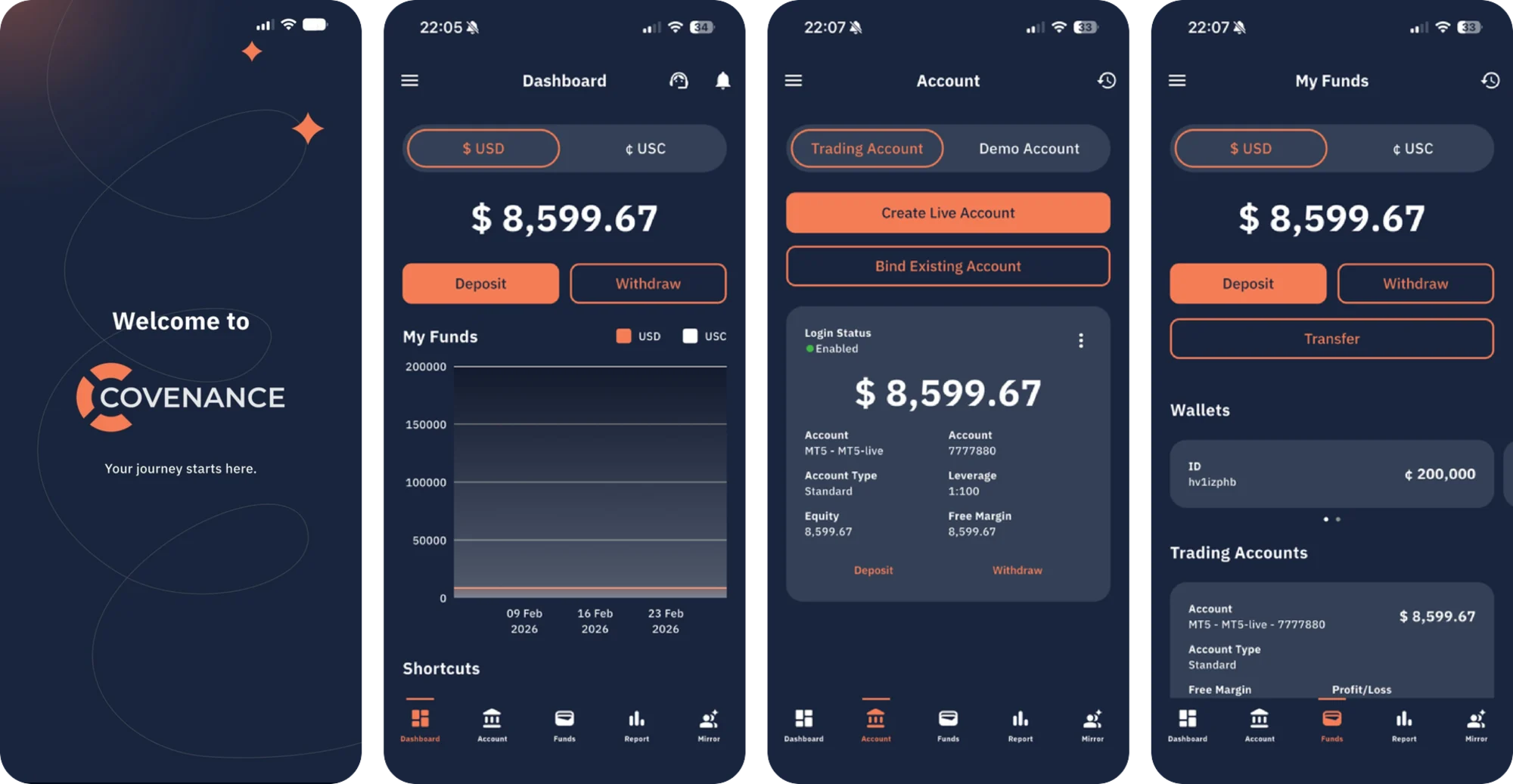
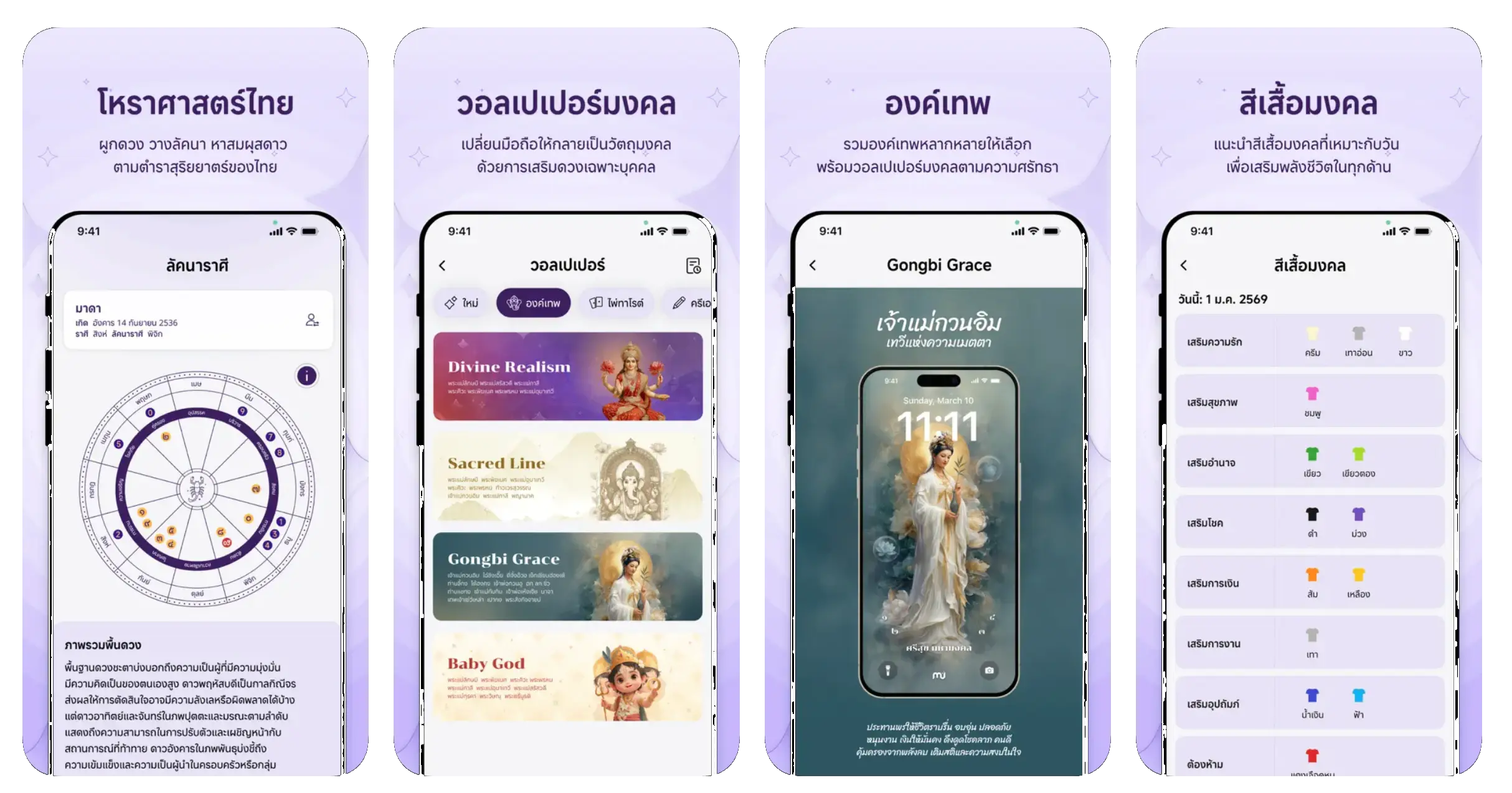
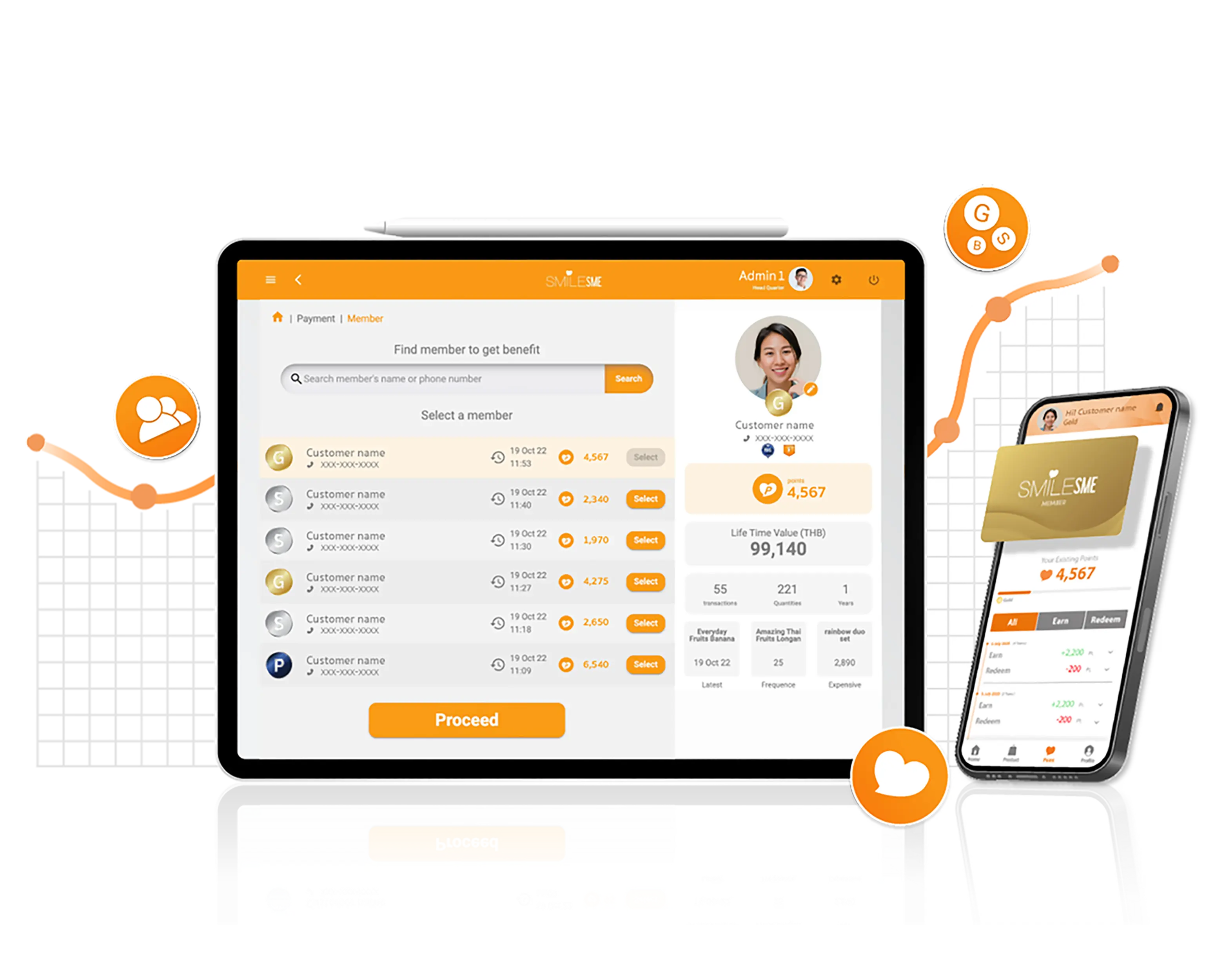
I use Claude Code daily across client repos: a fintech wallet, a government arrival app, a reading app. It pays off because the fundamentals are already in place. Architecture, state, security and testing are encoded as skills and rules, agents work on branches and prove changes on a device, and every PR still goes through my review before it merges.
Conventions become skills, so generated code lands in the right layer.
Agents prove changes on a device with Maestro flows, screenshots and logs.
Every AI change arrives as a PR I review; I own the merge.
Agents get env names, never values; secrets stay out of prompts and repos.
25
Project skills in team repos
3
Client codebases sharing encoded conventions
6
Build, review and test subagents
7
MCP integrations in daily use
01
Ticket to reviewed pull request
/ship-card takes a Jira key and a Figma node, branches from main, implements, localises, runs analyze and format, verifies the UI on Android with Maestro and opens a single-commit PR. That PR is reviewed like any other; nothing merges on its own.
- Jira
- Figma
- Maestro
- Single-commit PR
02
Conventions the whole team inherits
25 project skills across three team repositories encode how we add a domain model, endpoint, repository, screen or localisation string, plus result pattern, DI and theming. Any teammate's agent follows the architecture, not just mine.
03
Verified on device, not just compiled
Agents drive the running app before they report done: Maestro flows, screenshots, widget trees, app logs and native crash reports, with hot reload for fast iteration. A green analyze is the start of verification, not the end.
04
I own the review and merge
Agents work on branches and open PRs; I read every diff, and nothing merges without my sign-off. Dedicated reviewer and tester subagents and staged-review commands catch the obvious first, so my review time goes to design and risk.
- Subagents
- PR review
- Worktrees
05
Design first, pixel-exact after
Before building, a grill-me interview stress-tests the plan until the design holds; then screens are built and audited against the exact Figma node. Less rework, and agents are never left to guess at spacing, colour or intent.
06
Confidentiality as a working rule
On wallet and government work, secrets and credentials stay out of prompts and out of the repo; agents work with env names, not values. Production gets the same discipline: Sentry issues are triaged, fixed and verified through dedicated commands.
Stack: Claude Code with project skills, subagents, hooks and MCP servers for Jira, Figma, Google Sheets, Maestro, Chrome, Sentry and Gmail. The tooling exists to shorten the loop from ticket to verified PR; the design, the review and the merge stay with me.